
Why is proper drainage important for your ...
When your parking lot or roadway starts showing serious damage, alligator cracking, persistent potholes, or rutting that won’t quit, you’re facing a choice. You can patch it again and watch it fail in six months, overlay it and hope for the best, or tear everything out and start from scratch at enormous cost.
ACPLM specializes in full-depth reclamation (FDR) throughout Tampa. We take your failing pavement and rebuild it into something that lasts, 15 to 20 years or more, while costing 30-50% less than complete reconstruction. We’re not just covering up problems. We’re fixing them.
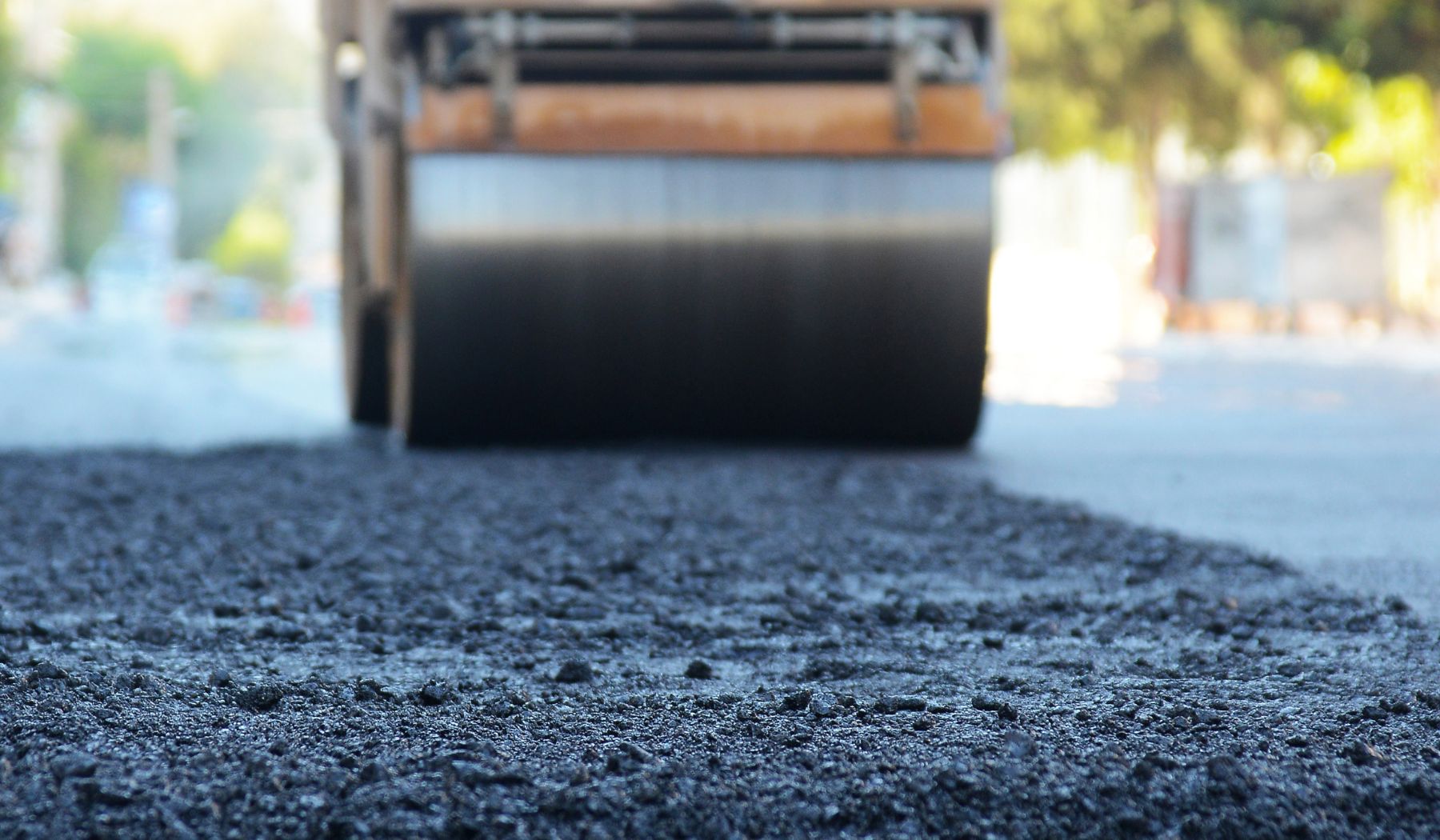
Think of full-depth reclamation as pavement recycling done right. Instead of hauling away your old asphalt and base materials (and paying through the nose to do it), we pulverize everything in place, mix it with stabilizing agents like Portland Cement, and rebuild a solid foundation. Then we top it with fresh asphalt.
The result? A pavement structure that’s stronger than what you had originally, built from materials that were already sitting on your property.
Some people call it FDR asphalt. Others know it as “pulverize and stabilize” or mix-in-place recycling. Whatever you call it, it works, and it’s been working for decades on everything from shopping center parking lots to municipal highways.
You’ll know it’s time when surface repairs stop working. Here’s what we typically see:
In all these cases, overlaying just kicks the can down the road. Full-depth reclamation solves the problem.
Before any equipment shows up, our engineers look at what you’ve got. We core your existing pavement, test the base materials, evaluate the soil conditions underneath, and figure out what traffic loads you’re dealing with. Florida’s sandy soils behave differently from base materials in other parts of the country, and we account for that.
We bring in specialized reclaiming machines that pulverize your existing asphalt and base material together, usually going down 8-12 inches deep. The machine grinds everything into uniform particles, kind of like turning your failed pavement into controlled gravel.
This isn’t your standard milling operation. We’re going deeper and grinding finer to create material that will bind properly when stabilized.
Here’s where the magic happens. We blend the pulverized material with stabilizing agents, most often Portland Cement in Tampa, though sometimes asphalt emulsion or foamed asphalt, depending on your specific conditions.
The stabilizer doesn’t just glue things together. It triggers a chemical reaction that transforms loose, deteriorated material into a solid, weather-resistant base layer. The difference is dramatic.
We grade everything to proper elevations and drainage slopes because standing water is pavement enemy number one in Florida. Then we compact the stabilized material to 95-98% density, which is crucial for long-term performance.
Timing matters here. We need to get compaction done within 2-4 hours after stabilization, before the material starts its initial curing. Our crews know this cold.
The reclaimed base needs 3-7 days to cure and develop its full strength, depending on which stabilizer we used and what the weather’s doing. If you need to keep traffic moving during this time, we can apply a temporary surface.
Once the base has cured, we install fresh hot mix asphalt on top, usually 1.5-2 inches thick. This gives you a smooth ride and protects the structural investment underneath.
The finished product looks great, drives great, and most importantly, holds up for the long haul.
When you’re recycling materials in place, you eliminate a ton of costs that make traditional reconstruction so expensive. No excavation equipment running all day. No trucks hauling material away. No disposal fees. No purchasing new base material by the truckload. No importing and spreading it.
Here’s something you should know properly engineered FDR pavements routinely last 15-20 years or longer with just basic maintenance. That’s comparable to brand new construction, but you’re paying a fraction of the price.
We’ve got parking lots we did 18 years ago that are still performing beautifully. The ones that fail early? Usually, because corners got cut somewhere—wrong stabilizer, poor compaction, or engineering that didn’t match the conditions.
Every FDR project keeps thousands of tons of material out of landfills. You’re recycling 100% of what’s already there, which means no virgin aggregate is getting mined and hauled from quarries. Fewer trucks on the road means lower carbon emissions too.
Sustainability isn’t just a buzzword for us. It’s built into how this process works.
That reclaimed base layer typically hits compressive strengths between 400-750 psi, depending on which stabilizer we use. Compare that to the deteriorated base you started with, and it’s not even close.
This strength translates to real benefits: better load distribution, improved moisture resistance, less cracking, and pavement that holds up to Florida’s combination of heat, rain, and heavy traffic.
Because we’re working with materials already on-site, FDR projects usually finish 40-60% faster than full reconstruction. That means less downtime for your business, less disruption for your customers, and less time dealing with construction.
Standard Asphalt Overlay might buy you 7-12 years if your base is in decent shape. If it’s not? You’ve just spent money to watch your new surface crack and fail within a couple of years. Overlays only address surface wear; they can’t fix structural problems.
Mill and Overlay is better because at least you’re removing some of the damaged surface first. You might get 10-15 years. But again, if the base is shot, you’re building on a crumbling foundation.
Complete Reconstruction works, no question. Tear out everything, build it back right, and you’ll probably get 20-25 years. The problem? You’re looking at roughly double the cost of FDR for a result that’s only marginally better.
Full-Depth Reclamation sits in the sweet spot. You’re fixing the actual problem (the failed base), getting 15-20+ years of service life, and saving 30-50% compared to reconstruction.
FDR requires specialized machinery, and we’ve invested in the good stuff. Our reclaiming machines, stabilization equipment, and compaction tools are maintained meticulously because equipment that’s running right produces consistent results.
We’ve also got the crew experience to operate it properly, which matters more than most people realize.
Shopping centers, municipal roads, industrial facilities, HOA communities, airport service roads, distribution center yards, we’ve reclaimed just about every type of pavement you can imagine. That experience base helps us anticipate problems before they happen and adjust on the fly when conditions surprise us.
We’ve been doing this for over 30 years, and every single one of those years has taught us something about how pavement behaves in this climate. Florida isn’t like anywhere else. The sandy soils, the water tables that seem to rise whenever it looks like rain, the combination of scorching heat and afternoon downpours, it all matters.
Our mix designs account for these conditions because we’ve seen what works and what doesn’t. We’re not importing some generic approach from out of state and hoping it holds up.
Some contractors use the same mix design for every job. Same cement content, same approach, hope for the best. That’s not engineering, that’s gambling.
We test your existing materials, analyze your soil conditions, and design a solution that matches your specific situation. Commercial parking lot in Winter Haven? That gets engineered differently than a municipal street in Tampa. Different traffic, different drainage, different requirements.
FDR requires specialized machinery, and we’ve invested in the good stuff. Our reclaiming machines, stabilization equipment, and compaction tools are maintained meticulously because equipment that’s running right produces consistent results.
We’ve also got the crew experience to operate it properly, which matters more than most people realize.
Shopping centers, municipal roads, industrial facilities, HOA communities, airport service roads, distribution center yards, we’ve reclaimed just about every type of pavement you can imagine. That experience base helps us anticipate problems before they happen and adjust on the fly when conditions surprise us.
Most commercial parking lots in the 50,000-100,000 square foot range take about a week from start to finish. We can often phase the work to keep part of your lot open, and after the first day or two of base work, we can usually accommodate limited traffic if necessary.
Larger projects take longer, obviously. A major roadway reconstruction might last 2-3 weeks. Weather can affect timelines too, we can’t compact properly in heavy rain, and extreme heat can mess with curing times.
We deal with this constantly. Phased construction lets us work on one section while traffic uses another. After the reclaimed base gets its initial cure (usually 24-48 hours), we can often allow controlled traffic before we put the final surface down.
Every situation is different, but we’ve yet to encounter a project where we couldn’t figure out a workable access plan.
Portland Cement works great in Tampa’s sandy soils and gives excellent strength and moisture resistance. That’s our go-to about 70% of the time.
Asphalt emulsion makes sense for some applications, particularly where you want more flexibility in the pavement structure or you’re dealing with lighter traffic loads.
Foamed asphalt has its place in certain soil conditions, and you need specific performance characteristics.
We test your existing materials and make a recommendation based on what’s going to perform best, not what’s easiest for us.
Better than you’d think. The stabilized base layer is highly water-resistant, which is crucial in a state where annual rainfall can hit 50+ inches. Proper drainage design prevents water from getting trapped where it can cause damage.
We’ve found that FDR often outperforms traditional base construction in wet conditions because that stabilized layer acts like a barrier.
Pretty much the same as any asphalt pavement. Watch for cracks starting around year 5-7 and seal them before water gets in. You might want to do an overlay around year 12-15 to refresh the surface and extend the life another 8-10 years.
The big difference? Because your base is solid, you’re not constantly patching potholes and dealing with structural failures like you were before.
Yes, significantly. Full-depth reclamation typically runs 30-50% less than complete reconstruction.
The performance difference? Minimal. Both approaches will give you 15-20+ years if engineered and constructed properly.
It happens. If your base materials are contaminated, if the underlying soil is severely compromised, or if there are other complicating factors, we’ll tell you straight up that FDR isn’t the right call. We’re not going to sell you a solution that won’t work just to win a project.
In those cases, we’ll recommend what will work, even if it costs more.
We serve Central Florida, including Tampa, St. Petersburg, Clearwater, Brandon, and communities across Hillsborough, Pinellas, and Pasco counties.
Stop throwing money at temporary fixes that don’t fix anything. Let’s look at what you’ve actually got and figure out the right solution, whether that’s FDR or something else entirely.
Call us at (813) 633-0548 or (888) 959-9637 to schedule a free site evaluation. We’ll walk the site with you, answer your questions, and give you an honest assessment and estimate.

CUSTOMERSERVICE@ACPLM.NET CGC1530365